Templates / Chinese Name Seal (印章) Templates
Chinese Name Seal (印章) Templates
Chinese Name Seal (印章) Presets
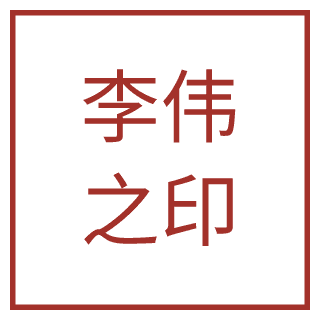
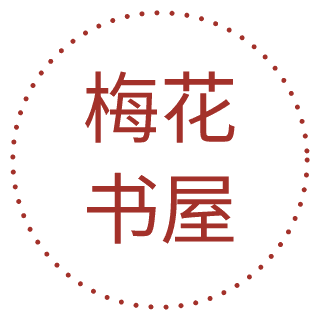
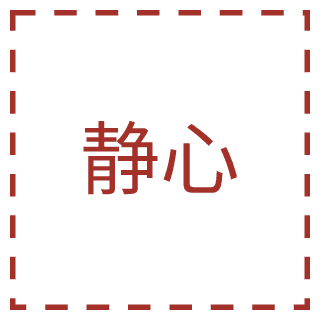
Chinese seals (印章, yìnzhāng) split broadly into two traditions this category covers: the 姓名章 (xìngmíngzhāng, name seal), a personal seal carved with someone's name and used to sign calligraphy, paintings, and documents in place of or alongside a signature; and the 闲章 (xiánzhāng, leisure or artistic seal), which carries a phrase, poem line, or studio name rather than a legal name and is used more decoratively on artwork margins. StampZen uses modern Noto Sans CJK lettering, not traditional seal script. Traditional seals often use seal script (篆书, zhuànshū) — an archaic, stylized script distinct from the standard characters used in everyday writing — and a vermilion-red paste ink (印泥, yìnní) rather than a liquid stamp pad, giving the thick, slightly uneven red impression collectors associate with a hand-carved seal. It's important to distinguish this personal/artistic tradition from a Chinese company's official chop (公章, gōngzhāng): in mainland China, a registered company chop carries real legal weight — it can bind the company to a contract the way a signature does elsewhere — and must be carved and registered through officially licensed engravers and, in many cases, filed with the Public Security Bureau. A personal-style digital seal design from this category is not a substitute for that registered corporate chop. Typical users are calligraphy and painting students, hobbyist seal collectors, and people wanting a personal name-seal design as a gift or keepsake.
Frequently Asked Questions
Can I use a template from this category as my company's official chop in China?
No — a legally recognized Chinese company chop (公章) must be carved by an officially licensed engraver and registered, often with the Public Security Bureau; a personal-style seal design here has no legal registration and can't substitute for it.
What's the difference between a name seal and a leisure seal?
A name seal (姓名章) carries a person's actual name and is used like a signature on documents and art; a leisure seal (闲章) carries a phrase, poem line, or studio name and is used more decoratively, often alongside a name seal on the same painting or calligraphy piece.